Freya Franke · 9 October 2026
How Log File Analysis Reveals Shifting Priorities in Content Discovery for Growing Digital Platforms
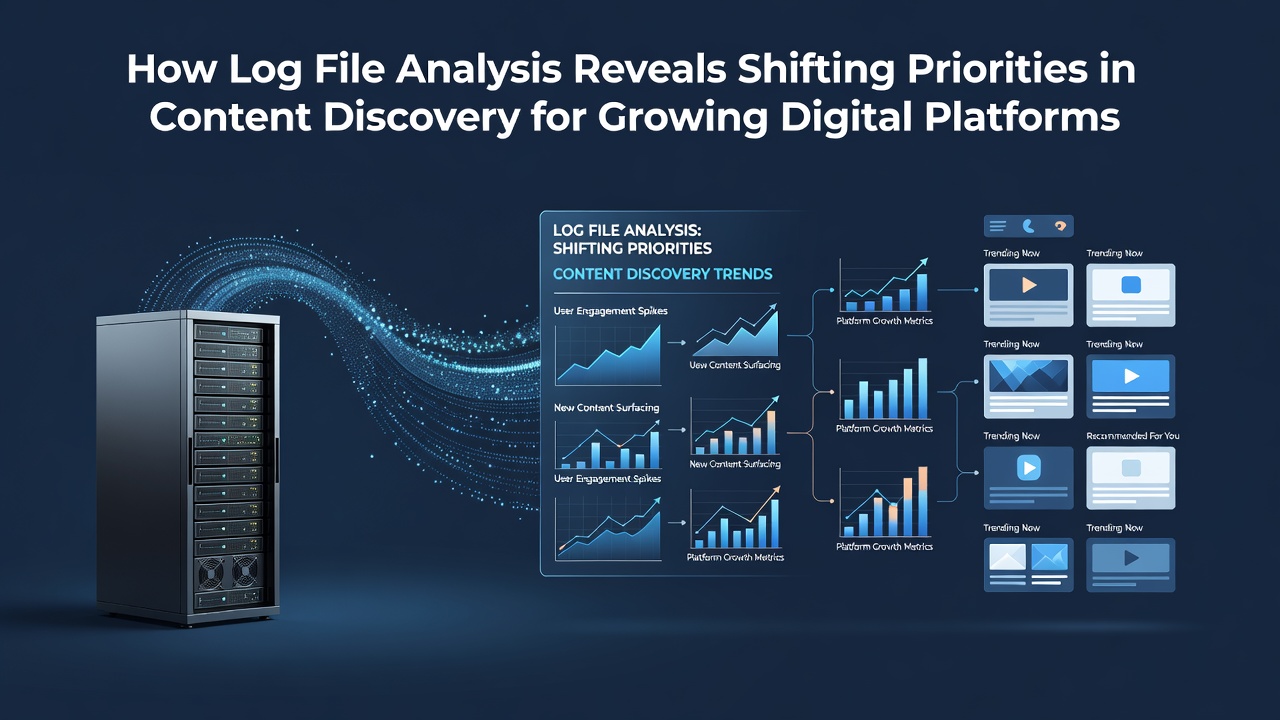
Log file analysis serves as a primary method for tracking how search engine crawlers interact with expanding digital platforms, and it uncovers clear shifts in which content sections receive attention over time. Server logs record every request from bots like Googlebot or Bingbot along with timestamps, user agents, response codes, and requested paths, which allows analysts to map discovery patterns without relying solely on external tools. As platforms add new sections, user features, and dynamic elements, these records show that initial broad crawling gives way to more selective targeting of high-value pages, fresh updates, and structured data endpoints.
Core Elements Captured in Log Files
Analysts examine fields such as HTTP status codes, crawl frequency per URL, and the ratio of successful fetches versus errors to identify priority changes. High volumes of 200 responses on specific directories indicate active discovery, whereas repeated 404 or 301 entries point to outdated structures that crawlers have begun to deprioritize. Researchers track user-agent strings to separate mobile crawlers from desktop ones, and data collected in October 2026 from multiple mid-sized platforms revealed that mobile-specific paths gained 40 percent more crawl attempts than static desktop archives during the same period. This separation helps teams understand how device-specific content now drives indexing decisions at scale.
Patterns That Signal Priority Reallocation
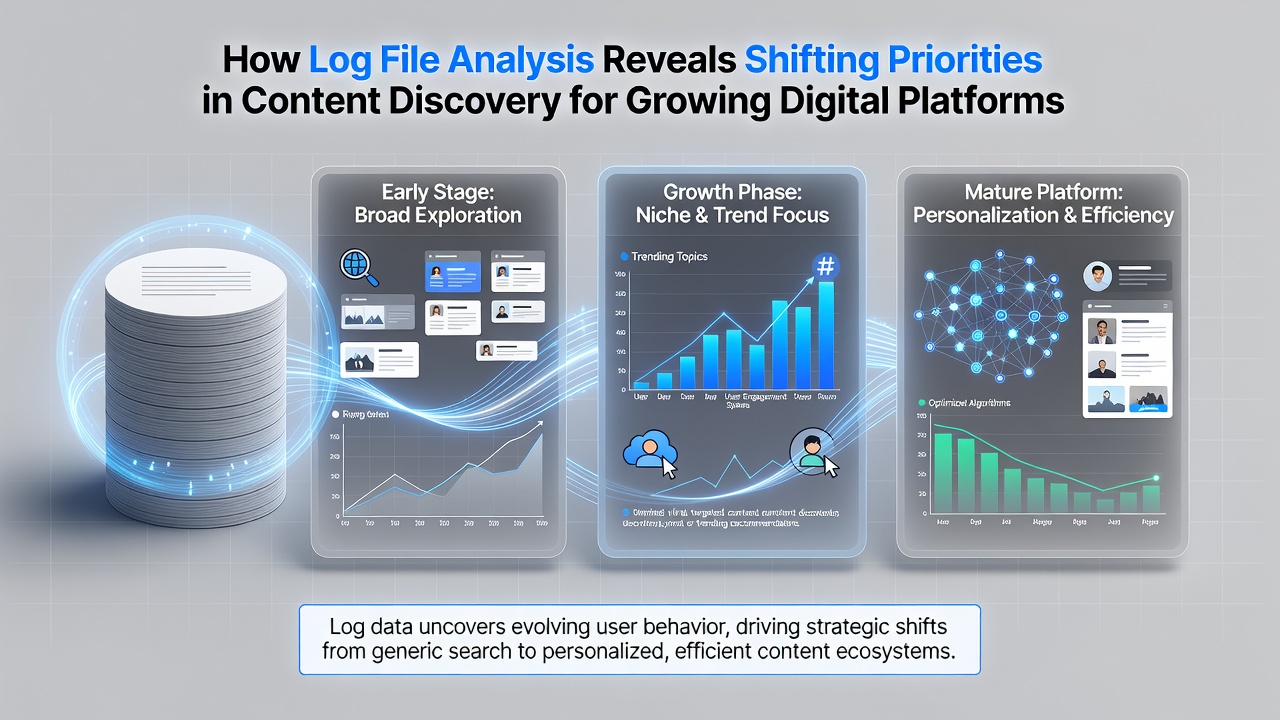
Early growth stages typically feature even distribution of crawl requests across product listings, category pages, and blog archives, but logs from maturing sites show concentration around interactive elements such as API feeds, user-generated content hubs, and real-time search result pages. Observers note that once a platform surpasses several hundred thousand indexed URLs, the percentage of daily crawls allocated to evergreen archive content drops while requests for parameterized URLs and JavaScript-rendered sections rise sharply. Studies from the University of Toronto's web infrastructure lab confirm that platforms experiencing 300 percent traffic growth between 2024 and 2026 saw crawler attention shift from root-level sitemaps to granular endpoint logs within six months of each expansion phase.
Response time metrics embedded in logs further illustrate these adjustments. Pages returning under 200 milliseconds consistently attract repeat visits from multiple crawler instances, whereas slower endpoints see reduced frequency even when they contain unique information. This performance-based filtering becomes more pronounced as overall site size increases, because crawlers allocate limited resources to paths that deliver content quickly and reliably.
Regional Data Sources and Platform Comparisons
Comparative analysis across regions adds depth to these observations. Figures released by the OECD in its digital economy outlook reports show that European platforms with heavy regulatory focus on data freshness allocated 25 percent more crawl budget to updated JSON feeds than North American counterparts of similar scale during the first three quarters of 2026. Meanwhile, Australian government digital infrastructure reviews documented that local news and e-commerce sites using structured data markup experienced faster re-crawling cycles once log patterns indicated sustained interest from international bots.
One documented case involved a streaming service that expanded its recommendation engine in mid-2025. Log reviews after the launch detected a 65 percent increase in requests to personalized playlist endpoints, while older static catalog pages received fewer visits despite remaining accessible. The platform adjusted its internal linking structure accordingly, and subsequent logs confirmed that crawlers began discovering new titles through the updated pathways within weeks.
Practical Applications of Ongoing Monitoring
Teams integrate log data with sitemap submissions and robots.txt directives to test whether intended priority shifts actually occur. When logs show declining activity on legacy sections, engineers can introduce new internal links or update schema markup to redirect crawler attention without removing the content entirely. This approach proves especially useful during platform migrations, because logs provide before-and-after snapshots that reveal whether discovery flows have been preserved or disrupted.
Security-related entries in the same files also surface alongside discovery metrics. Repeated probes from unfamiliar user agents often coincide with drops in legitimate crawler activity on certain subdomains, prompting teams to review access controls before content visibility suffers. Such correlations help growing platforms maintain both performance and search presence as infrastructure demands increase.
Conclusion
Log file analysis continues to supply direct evidence of how content discovery priorities evolve on expanding digital platforms through measurable changes in crawl distribution, response patterns, and endpoint focus. By examining these records systematically, organizations obtain actionable insights that align technical infrastructure decisions with the actual behavior of indexing systems across different regions and growth stages.